Juliet Stuart Poyntz was born Juliet Stewart Points on November 20, 1886 in Omaha, Nebraska. Her parents, John J. Points and Alice Stewart came from very different backgrounds.
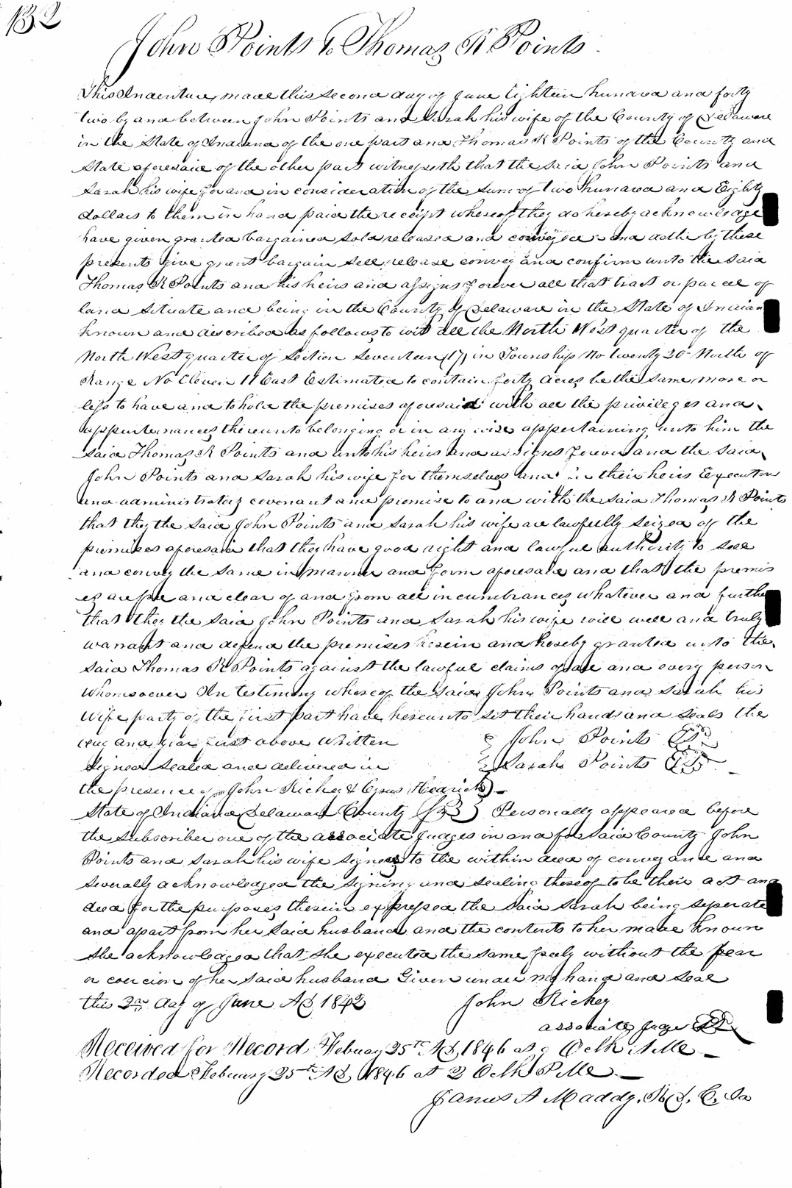
John J. Points was born in Liberty, Indiana in 1844 to Thomas Points and Talitha Guthrie. Very little is known about Talitha other than she was originally from Montgomery County, Virginia. Thomas Points was born in Kentucky, his father, John Points moved the family to Delaware County, Indiana in 1823.
Thomas Points bought land from his father and started his own family with Talitha. John was their eldest son. Thomas was an educator, preacher, and a devoted abolitionist. He moved his family to Pottowatomie, Kansas in 1856, only months after John Brown and the men with him massacred pro-slavery advocates.
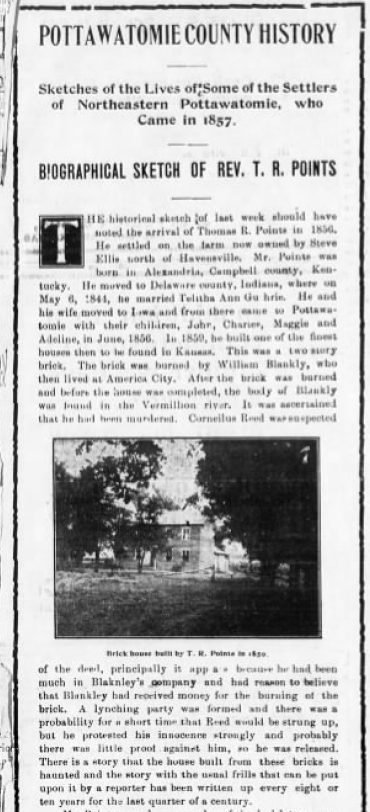
Kansas was in the midst of bloody battles over whether it would be included in the United States as a free or slave state. Thomas Points was integral in pushing for it to be a free state. After his death in 1896 he was celebrated for his role in Kansas abolition.
John Points studied at Kansas State Agricultural College in Manhattan, Kansas. Today it is Kansas State University. In 1867 he earned an AB, and stayed on to complete a law degree in 1871. It was here that he met his wife, Poyntz’s mother Alice Stewart.
Alice’s own family was very different from the Points. Her father, Charles Fanning Stewart, was a shopkeeper on Choctaw nation territory, he was also a slaveowner. Charles’s first wife Tryphena was Choctaw and he became a member of the nation. Together they had four children. Tryphena died in childbirth. Four months later he married Juliette Slate.
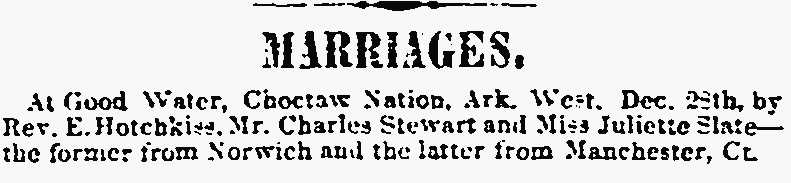
Charles and Juliette had two more children, including Alice. In 1855, Charles died leaving Alice with the children. She left Oklahoma and eventually moved Alice and her brother to Manhattan, Kansas to live with her unmarried sister.
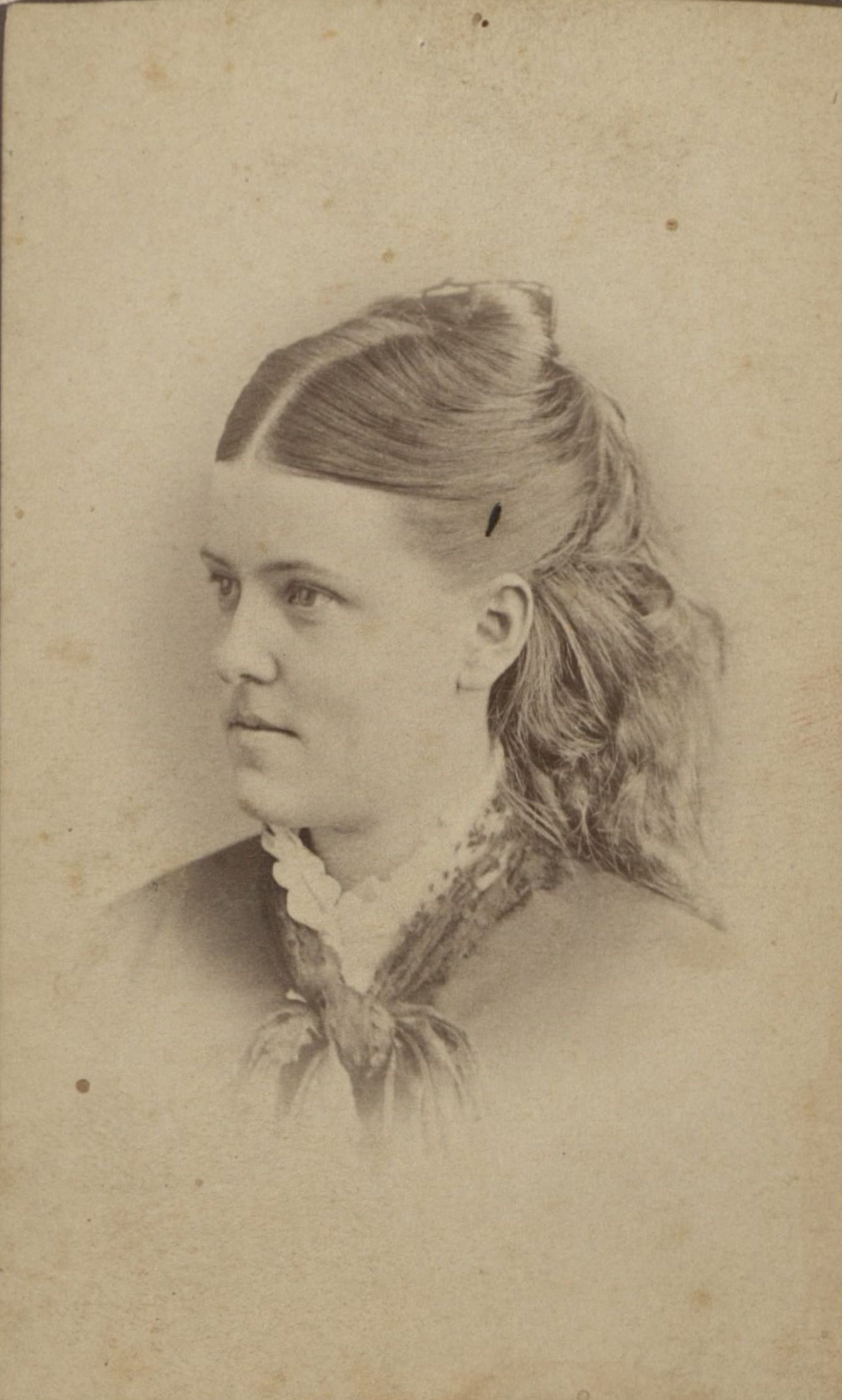
Alice completed a degree at Kansas State Agricultural College, then went on to Oberlin where she completed a literary degree. She returned to Kansas to complete her Master’s in Science in 1883.
John, called J.J. Points secured work in the Omaha, Nebraska school district. He left Kansas and moved to begin work as a teacher. He would eventually serve as the head of the school board. Alice joined him in 1883.
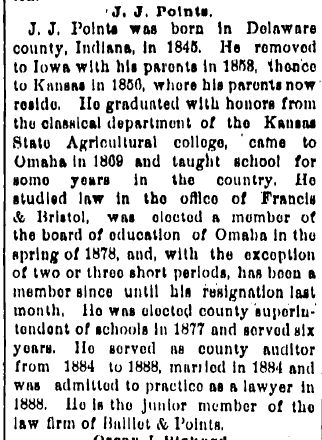
When Alice joined J.J. Points in Omaha, she brought her mother Juliette with her. On December 23, 1884 Alice Stewart and J.J. Points were married. By the next fall their first son John T. Points was born, followed by his sister Juliet just over a year later. The young John Points died by August 1887 of heart failure. Two more children were to follow, Charles born in April 1889 and Margaret, known as Eulalie, in 1891. Charles only lived to 9 months old. John T. and Charles are buried in Forest Lawn Cemetery next to their grandmother Juliette, who died in 1885. Their graves are unmarked.

For unknown reasons, Alice Stewart left her husband in 1897. She took Juliet and Alice and moved to Jersey City, New Jersey. Young Juliet was around ten years old. She turned out to be quite the young scholar graduating high school as valedictorian. She began attending Barnard College at 16 years old. Poyntz was a popular and busy undergraduate. She graduated in 1907.
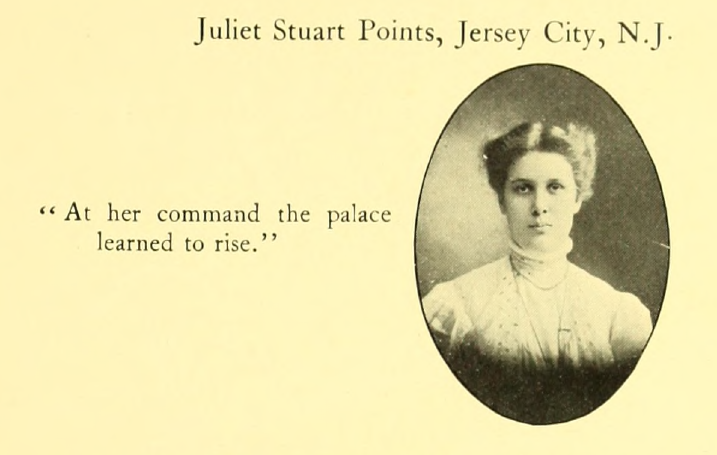
After college Poyntz’s first big job came as a researcher for the Dillingham Commission. Much of her research with the commission informed her Master’s Thesis. The Dillingham Commission reflected the anti-immigrant stereotypes of the time and concluded that immigrant groups did not all successfully integrate into American society. Poyntz’s research and her master’s thesis reflects these stereotypes. She completed her Master’s degree at Columbia University in 1910 and began teaching at Barnard College.
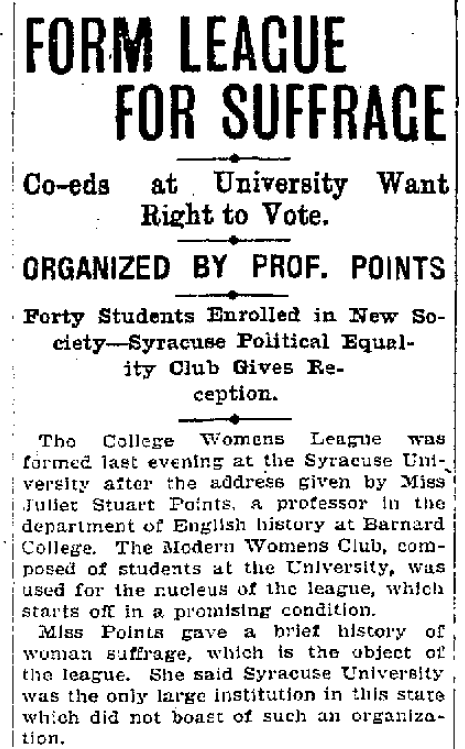
Poyntz was also involved in the women’s suffrage movement. She worked with the College Equal Suffrage League traveling to college campuses to encourage young women to work for suffrage.
In 1910, Poyntz won a prestigious scholarship from the General Federation of Women’s Clubs. Women were not eligible for the Rhodes scholarship, so the General Federation created a competitive award that would be decided by the Rhodes Trust. It allowed the young woman to travel overseas to study at the English institution of her choice. Poyntz chose the London School of Economics and Oxford. There she did research on women in industry and wrote the introduction for a book of essays edited by Sidney Webb.
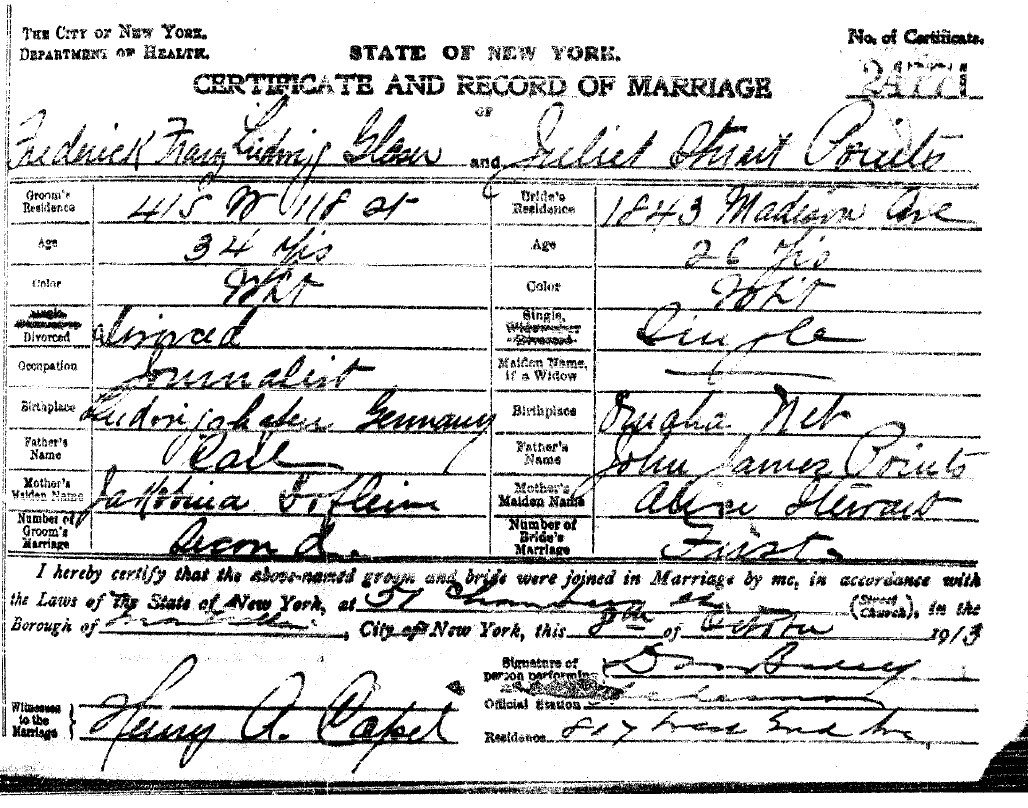
While in London she met Frederick Franz Ludwig Glaser. In 1913, the two traveled back to New York and were married. Because Glaser was a German national, Poyntz lost her citizenship. The 1907 Expatriation Act stripped American women’s citizenship if they married a foreign national. The marriage would not be a happy one and by 1924, the couple split, though they never officially divorced.
Poyntz was forced to apply for naturalization in 1924. The Cable Act, passed in 1922, gave women the right to citizenship again as long as their marriage followed basic American laws. For example, women in interracial marriages were not eligible. When Poyntz applied for citizenship, she allegedly did so twice and with different spellings of her name.
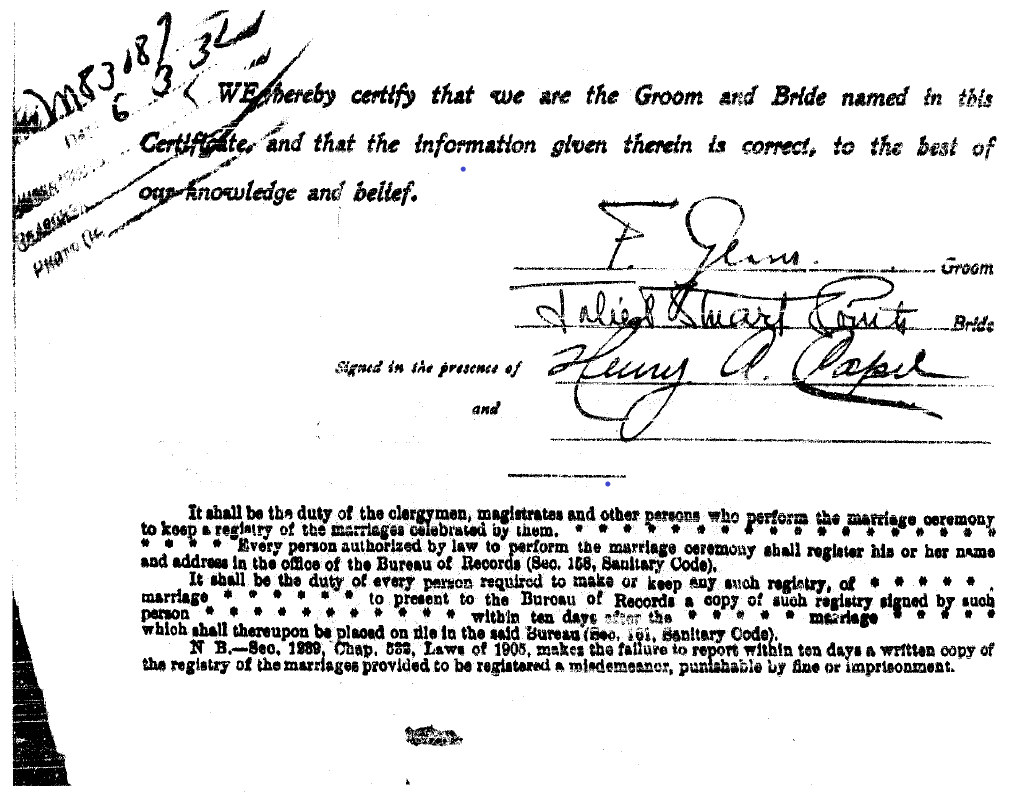
Though her birth name was Juliet Stewart Points, sometime in college she began to spell her name Juliet Stuart Points. She later changed her surname to Poyntz. Though there is no real indication why she did this, some speculate that when she became a socialist, she wanted to protect her family. She would later tell a reporter that “Poyntz” was an old English name mentioned in Shakespeare. Some people knew her as Julia and after she was married she went as Juliet Glaser. One of her naturalization applications was spelled Juliet Stuert Glaser. All of these name changes could have been very handy as a spy.
 Denise Lynn, Ph.D.