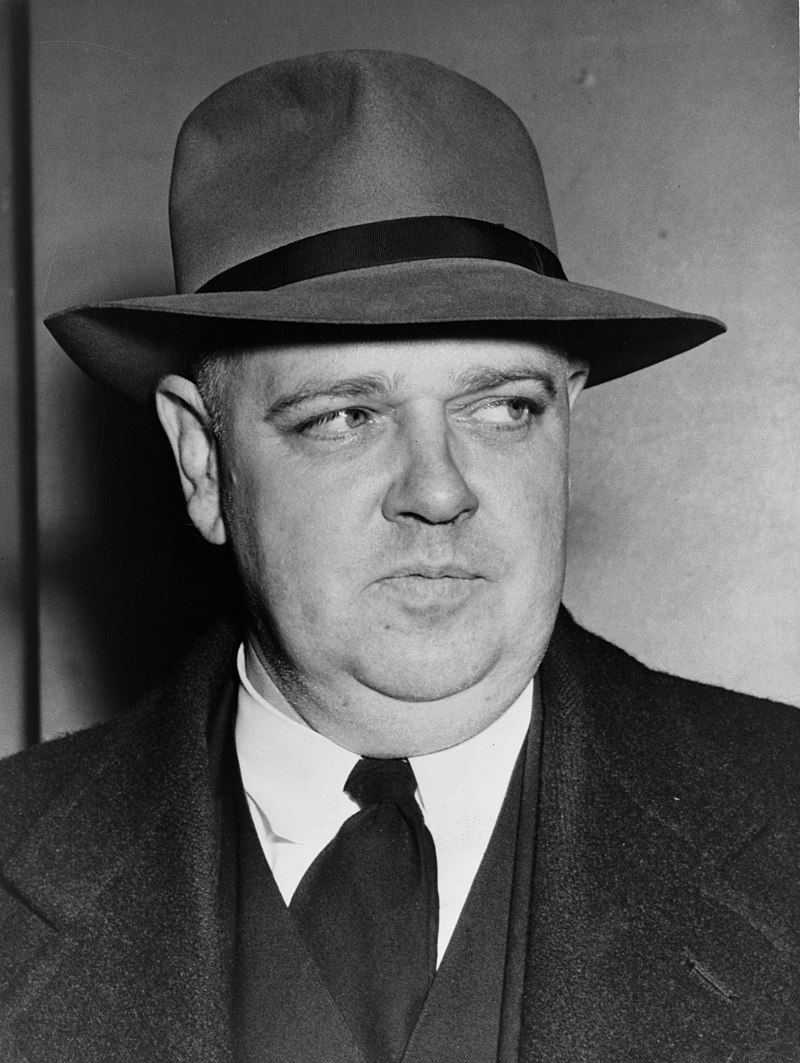
Ralph de Toledano was a vehement anticommunist; so much so that other anticommunists were often turned off by his zealotry. He worked as a journalist and wrote books about people he admired including Richard Nixon and Whittaker Chambers. In 1955, he tried his hand at fiction. His book Day of Reckoning took as its plot point the assassination of Carlo Tresca. In it he claimed that Tresca was murdered by communists. Juliet Stuart Poyntz’s disappearance and alleged murder featured in the novel. Of course no one knows what happened to Poyntz and the police found Tresca’s killer, but de Toledano’s hatred of communists was powerful and was the centerpiece of the book.
The book was poorly written and even more poorly received. Though de Toledano gave everyone different names, in his personal papers he indicated who his fictional characters were representing. At its core, the book tried to emulate the hardboiled detective genre with all the usual characters: an amateur sleuth, easy women, femme fatales, and a villain. The book was also deeply misogynist with the main character, Paul Castelar, sleeping with women at random; women he knew for mere moments. No woman had any meaningful dialogue, and none of them survive.
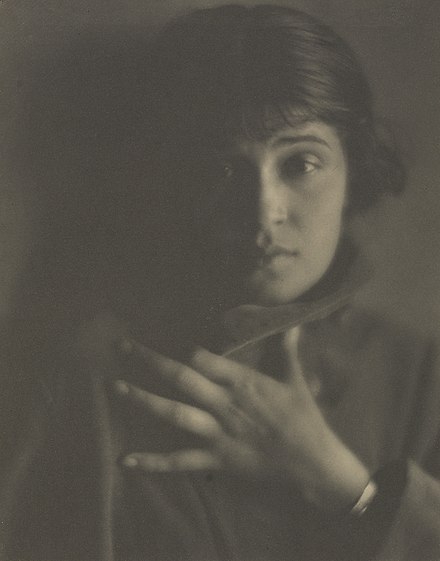
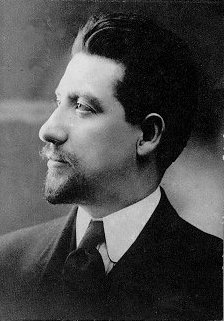
De Toledano takes as his villain Juan Talavera, who is meant to be Vittorio Vidali. Vidali went by many names, including Carlos Contreras. He was once a close friend of Tresca, but the two had a falling out over communism. Contreras allegedly became an assassin for the Soviet Union and has been linked to attempts on Leon Trotsky’s life. He was also accused of murdering his girlfriend Tina Modotti, an acquaintance of Poyntz. Modotti also features in the novel. Presumably because de Toledano could not prove with evidence that communists had Tresca, Poyntz, and Modotti killed the book had to be fiction.

The book was not very popular and did not do very well commercially. De Toledano’s friend and fellow anticommunist journalist George Sokolsky took up the effort to defend the book. Sokolsky had a nationally syndicated column; he claimed that reviewers refused to review the book and that book stores purposefully hid it because it was anticommunist. Conspiracy theories aside, the book was reviewed, particularly in mainstream press outlets like the New York Times. Anticommunist Granville Hicks reviewed it for the Times and he called it “manufactured melodrama.” Sokolsky’s claim that bookstores were hiding it is hard to prove, but given the popularity of anticommunism, its hard to blame the book’s poor sales on that.
The book also took aim at the civil rights movement. This is significant in 1955 because of the major milestones happening around that time including the Brown v. Board of Education decision. De Toledano claimed that the movement was engineered by communists (a talking point parroted then and now about civil rights) and he claimed that Black Americans already had rights so their complaints were hollow. This is an important theme in anticommunism; the belief that all social justice movements were communist and made unreasonable demands. De Toledano’s book served many purposes including depicting communists as villains.
 Denise Lynn, Ph.D.